
Septic tank services in Lake Wales
Lake Wales rides the spine of the Lake Wales Ridge, the ancient dune line that runs down the center of Florida, which gives the town some of the deepest, fastest-draining sand in the state and a different septic conversation than the flatlands.
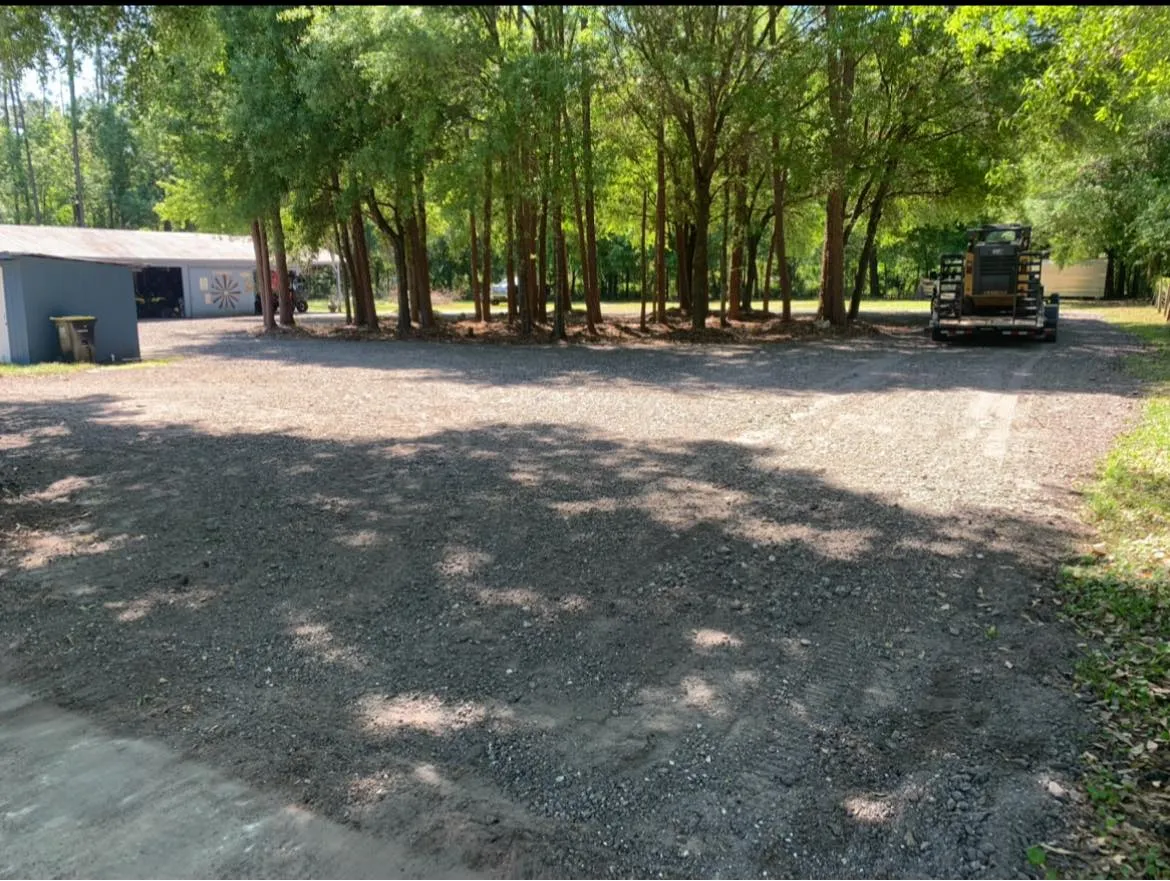
Working Lake Wales ground
Ridge sand is a gift and a trap. It percolates so fast that drain fields rarely drown, but the same speed means effluent moves quickly toward the aquifer, and modern siting rules account for it. Systems out here, from the historic downtown to the grove land toward Babson Park and Frostproof, tend to age well if pumped on schedule; the failures we see are more often mechanical, including roots from the Ridge’s oaks finding their way into older tanks and lines, and decades-old fields simply reaching the end. The citrus heritage matters too: plenty of parcels are old grove land, and old grove land hides irrigation mains, fill pockets and the occasional surprise that makes experienced digging worth paying for.
Jacob covers Lake Wales proper, the lake neighborhoods around Lake Wailes and Crooked Lake, and the rural stretches down 27 and 60. The acreage side keeps excavation and grading in the mix: long gravel drives, culverts, pads for barns, and clearing on overgrown grove parcels being turned back into homesites.
Elevation on the Ridge means real slopes by Florida standards, and slopes mean erosion and washout work: driveways that shed gravel every storm, swales that need cutting, low corners collecting a hillside’s runoff. Grading on actual grades is its own skill, and the Ridge supplies plenty of practice.
Every job here ends the same way jobs end everywhere we work: finished ground, photos for the gallery, and a customer who knows exactly what was done. Start with a site visit or call (863) 514-2176.
What Lake Wales calls us for
The whole service list runs in Lake Wales. The Ridge geography pushes these four to the front.
Septic Tank Pumping
Deep-sand systems live long when pumped honestly. We keep them that way.
Excavation
Old grove parcels, roots, and surprises: dig work that benefits from experience.
Land Grading
Real slopes, washouts and drive repairs on Ridge terrain.
Site Preparation
Grove land cleared and prepped for new homesites down the 27 corridor.
Lake Wales, on the regular route
Lake Wales sits twenty-five miles down the 60 corridor from our base, comfortably inside the radius, and routes through Bartow make scheduling efficient for the whole southeast county.
Lake Wales is part of our Polk County coverage; see all the towns on the service areas page.
How a Lake Wales job goes
Talk it through
Call or send photos of what you are seeing. Jacob can usually narrow the cause and the cost range before the truck ever leaves Lakeland, and honest phone advice is free, including when the advice is that you do not need us yet.
Walk the site
He comes out, reads the property and hands you a firm written price on the spot. Not a range that grows later, a number. The visit costs nothing and commits you to nothing.
Done when promised
The work happens on the date you were given, by the person who quoted it, and the ground gets finished properly, graded smooth and cleaned up, before the machine loads onto the trailer.
Owning a septic system in Lake Wales, the short course
Three habits do most of the protecting. First, pump on a real schedule and have the baffles looked at while the tank is open, because every expensive failure we dig up started as a cheap one nobody saw in time. Second, watch what goes down the drain: grease, wipes of every kind including the lying flushable ones, and harsh solvents all shorten a system’s life. Third, keep weight off the drain field. No parked trailers, no sheds, no above-ground pools over the lines. Do those three and a Florida system quietly serves for decades; skip them and we eventually meet over a soggy yard. Questions about your specific setup cost nothing: call (863) 514-2176.
Lake Wales septic questions, answered straight
What homeowners around Lake Wales ask before booking. Something more specific? Send it over and Jacob answers directly.
Does the Lake Wales Ridge sand change how my septic system works?
It changes the failure modes. Fields in deep Ridge sand rarely waterlog, so they last, but fast percolation is exactly why siting rules and setbacks are enforced carefully out here. A properly designed Ridge system is about the longest-lived septic in Florida.
Can you clear old grove land near Lake Wales for a homesite?
Yes, and it is some of our favorite work. Grove parcels hide irrigation pipe, fill pockets and root systems that punish careless clearing. We grub it properly, deal with what comes up and hand over a pad that will not settle.
My driveway washes out every summer storm. Can that be fixed permanently?
Usually, and on the Ridge it is a grading problem before it is a gravel problem. The fix is intercepting the water above the drive with a swale or berm and crowning the drive so it sheds instead of channels. Done right, you stop buying gravel every August.
Who handles septic permits for Lake Wales work?
We do. Installations and most major repairs in Lake Wales go through the Florida Department of Health in Polk County, including the site evaluation and soil test. Jacob files the paperwork, schedules the inspections and meets the inspector on site, so the county process never lands on you.
Should I get a septic inspection before buying a house in Lake Wales?
Absolutely. Septic history rarely transfers with the deed, so the only way to know is to open the tank and look. A real open-the-lid inspection with photos costs a few hundred dollars and tells you whether you are inheriting a healthy system or a five-figure problem. Jacob works around closing timelines.
Do you charge extra to come out to Lake Wales?
No. Lake Wales sits inside the normal working radius from our Lakeland base, about 25 miles up the road, and it gets the same firm written pricing as a job around the corner from the shop. The drive is ours to worry about.
What does a new septic system cost in Lake Wales?
Tank size, soil and how the lot sits set the price, and mound systems run higher where the water table forces the engineered fill. Ridge lots often save money at install time because the sand percs so well, but old-grove parcels can claw it back in clearing and root work, which is why the site walk matters. You get a firm written number after a site visit, never a guess that grows.