
Winter Haven · Mound Systems
Living with a raised drain field near the lakes
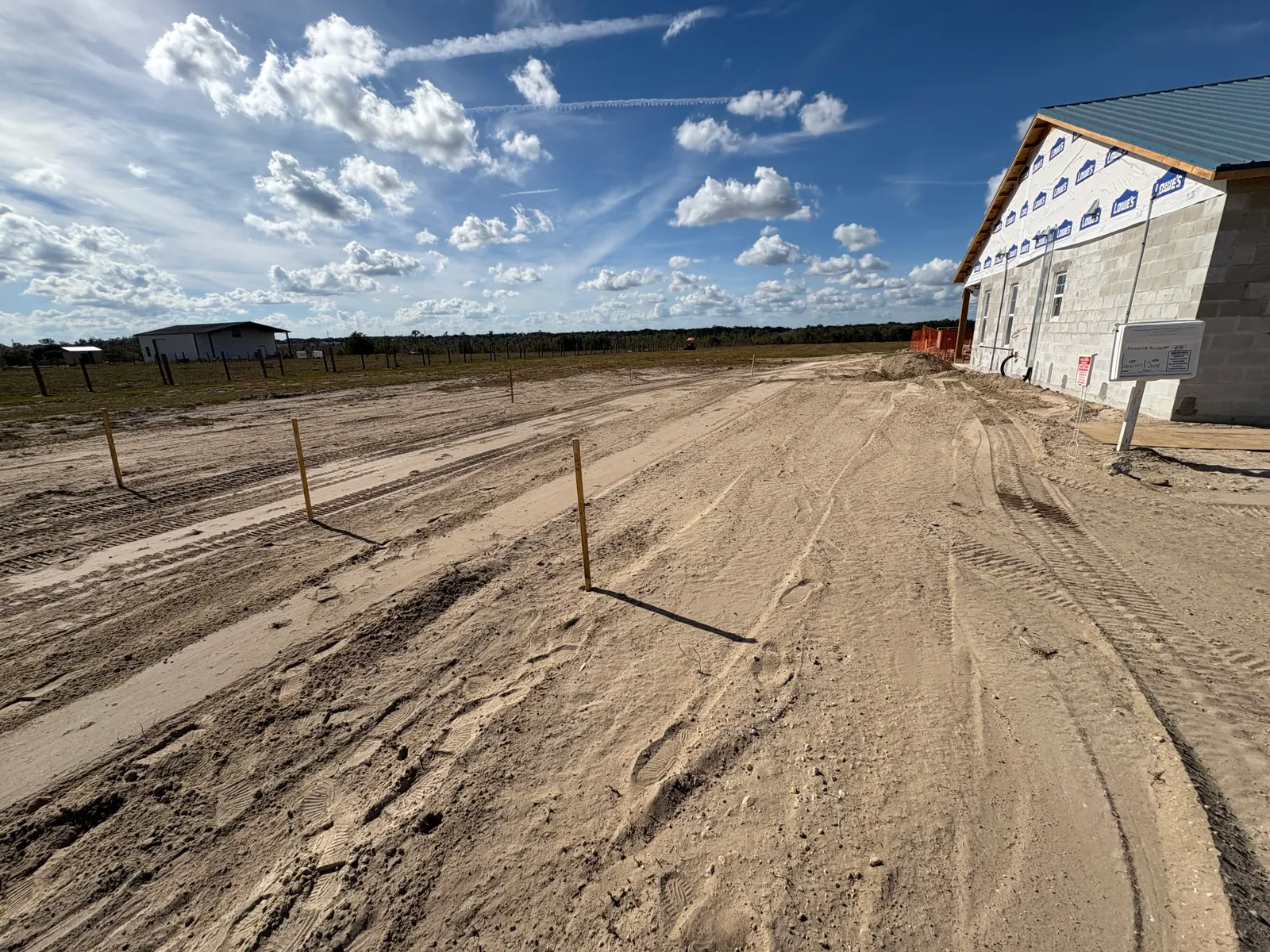
Some near-lake houses in Winter Haven have a long, grassy hump in the yard. The people who bought the house were not always told what it is. It is the drain field, built up above the natural ground so it can do its job. Owning one comes with a short list of rules, and they make a lot more sense once you know why the hump is there at all.
Why the field had to go up
A drain field needs a certain depth of dry sand between the bottom of its lines and the ground water. Around the Chain of Lakes, the water table rises and falls with the lakes, and in the wet season it can sit near the surface. Florida rules measure that depth from the seasonal high water table, so the field is designed for the wettest weeks of the year, not the driest.
On some lots the natural ground is high enough. On others it is not. When the soil test and site evaluation show water coming up too close, a field dug down into the ground would sit in wet sand for part of every year. The answer is to bring the field up instead, and sometimes that takes a mound.
If your house has one, somebody made that call because a field at ground level would have struggled every summer. The mound is the reason a septic system works on your lot at all.
What a mound is, in plain words
A mound is a drain field built on top of the yard instead of down in it. The native ground gets prepared, then clean sand fill is brought in and shaped into a long raised bed. The field lines sit inside that raised sand, and the whole thing gets covered with soil and grass.
Effluent leaves the tank, travels to the mound, and spreads out through the lines. It soaks down through the built-up sand, which does the treating, and then into the native ground below. The extra height is the whole point. It gives effluent enough dry sand to pass through before it ever meets the water table.
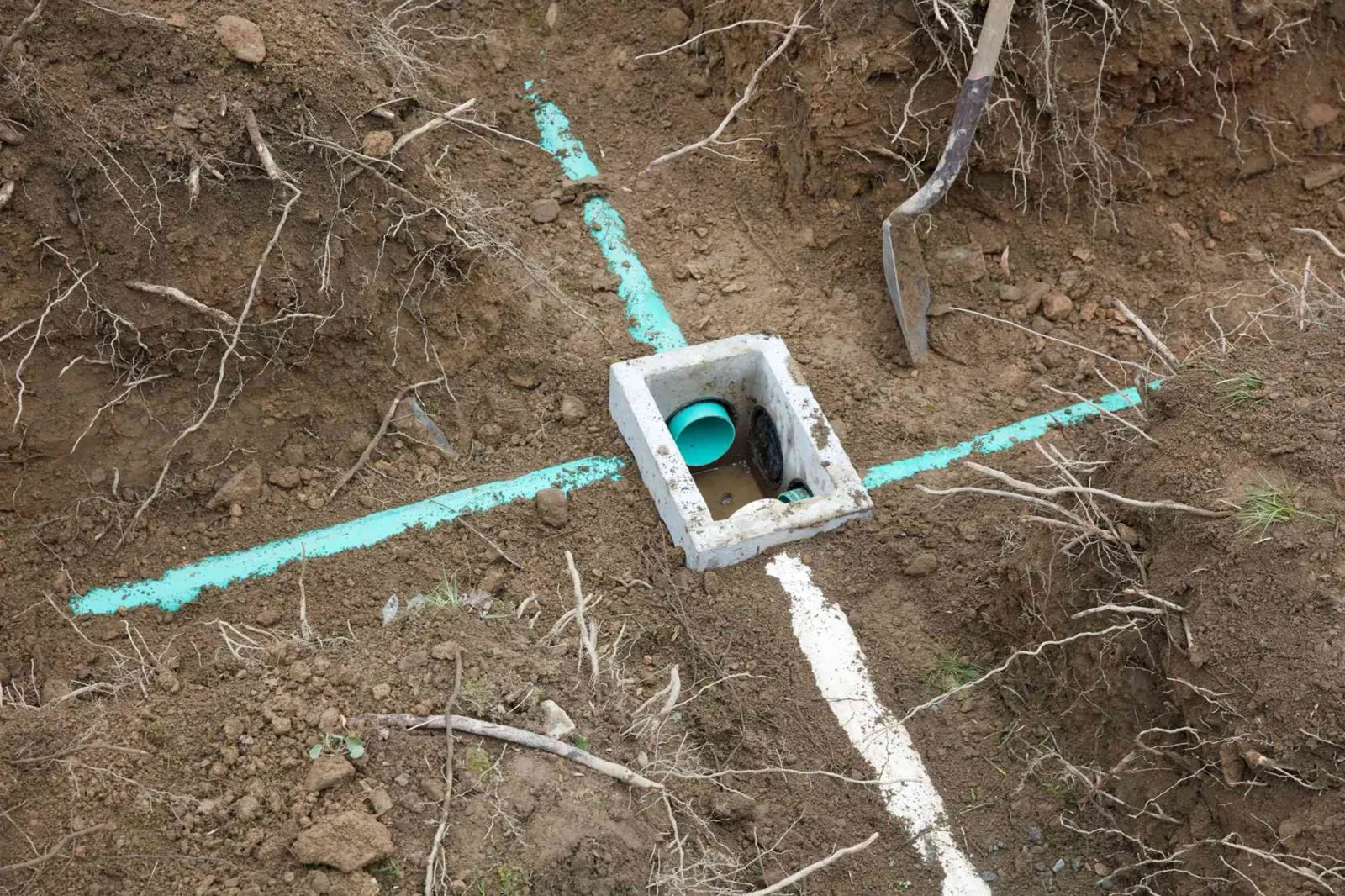
Many raised systems use a pump to lift effluent up into the bed, since the lines sit higher than the tank outlet. Some also use a distribution box to split the flow evenly between lines. Which parts yours has depends on how it was designed for that lot. The sides are sloped and grassed so they hold together and shed rain.
What stays off the hump
The mound is part of the yard, and it is tempting to treat it like any other part. A few things should never go on it.
- No parking. Cars, trucks, boat trailers and golf carts pack the sand and can crush the lines inside. Pulling across it once to reach the back of the lot counts.
- No sheds, slabs or anything on footings. Weight presses the soil down, and anything built there blocks access for future work.
- No pools of any kind on or against it.
- No trees or big shrubs on it or crowding its edges. Roots go looking for water, and a drain field is full of it.
- No extra soil, raised beds or garden borders piled on without asking first. Added dirt changes how the mound drains.
Grass is the right cover. It holds the sides in place, uses some of the water, and lets you see what is going on at the surface. Keep the yard’s heavy things and big projects somewhere else.
Mowing, and watching the sides
Mow the mound like the rest of the lawn. Take the slopes carefully, and skip it when the ground is soft after heavy rain, because ruts cut into a mound’s surface do not smooth themselves out.
While you mow, look. The sides and the bottom edge of a mound are where trouble shows first. A wet spot along the toe of the slope, a strip of grass much greener than the rest, ground that squishes under the mower, or a smell near the base all deserve a call. So does any place where sand has washed out and the side looks cut.
Pay extra attention in the wet season. The water table is up, storms come often, and the mound is doing its hardest work. Roof water and runoff from the upper yard should never be allowed to run onto it. If they do, correcting the grading around the mound is part of keeping it healthy.
A wet spot caught early is a much smaller conversation than one found after it has spread for a whole summer.
Pumping and inspecting a raised system
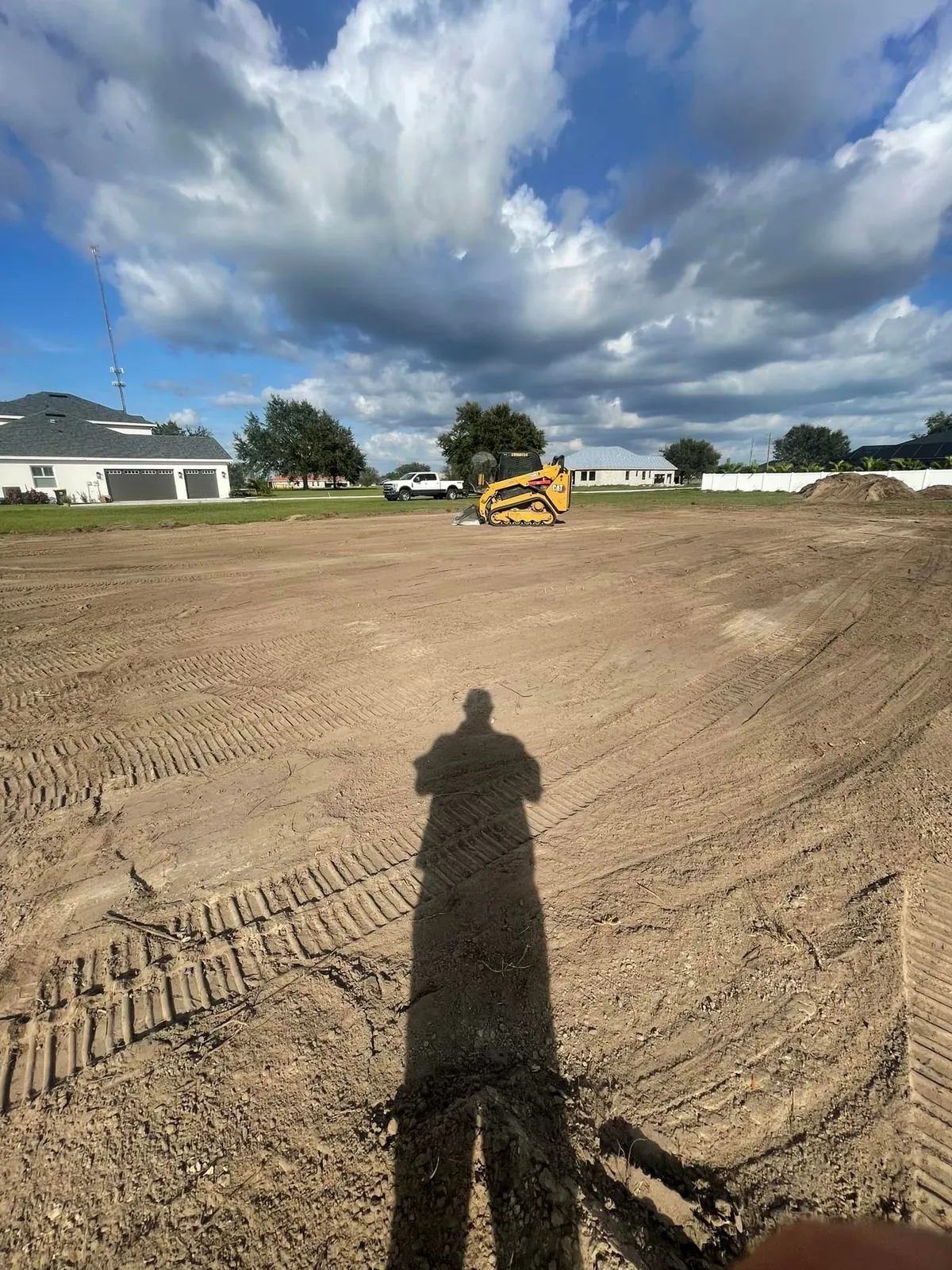
The tank on a mound system gets pumped like any other tank. The truck parks well away from the raised field, the hose runs over to the lids, and the tank is emptied from the top. What matters is that nobody drives across the mound to get there. If the lids are buried or hard to reach, risers make every future visit simpler. Regular septic tank pumping protects the mound directly, because any solids that escape the tank end up in that built-up sand, and rebuilding it is a big job.
An inspection covers more ground on a raised system. Along with the tank and its baffles, Jacob checks how effluent is getting to the mound, looks at the distribution box or pump parts if the system has them, and walks the sides and toe for wet spots. Buying a house with a mound? A septic tank inspection before closing is well worth it, since the new owner takes on both the system and its rules.
Systems with a pump often carry an alarm as well, usually a small panel or light mounted near the house. If yours goes off, cut back on water use and call. It generally means the pump chamber is filling faster than it empties, and the alarm exists to give you warning before anything backs up into the house.
Mound owner questions
Can I plant flowers or a garden on the mound?
Grass is the best cover. Vegetable gardens, raised beds and anything with deep roots belong somewhere else. Digging and added soil both change how the mound drains, and food crops have no business growing over a drain field. If you want anything on it beyond grass, ask first and get a straight answer for your system.
Is a wet spot on the side of the mound an emergency?
It may not be an emergency, but it needs a look soon. Seepage along the side or the toe can mean the field is overloaded, a line is clogged, or effluent is not spreading evenly. It can also be storm runoff. Take a photo, note when you first saw it, and call before it grows.
Does a mound system need pumping more often?
The tank itself runs on the same kind of schedule as any other, usually every three to five years, with near-lake homes toward the shorter end. What changes is how careful the visit has to be. The truck stays off the raised field, and the inspection covers the mound along with the tank.
Questions about the hump in your yard?
Jacob walks the raised field, opens the tank, explains what your system has, and gives you a firm written price if anything needs work.