
Winter Haven · Lakefront Lots
On a Chain of Lakes lot, the water decides where the field goes
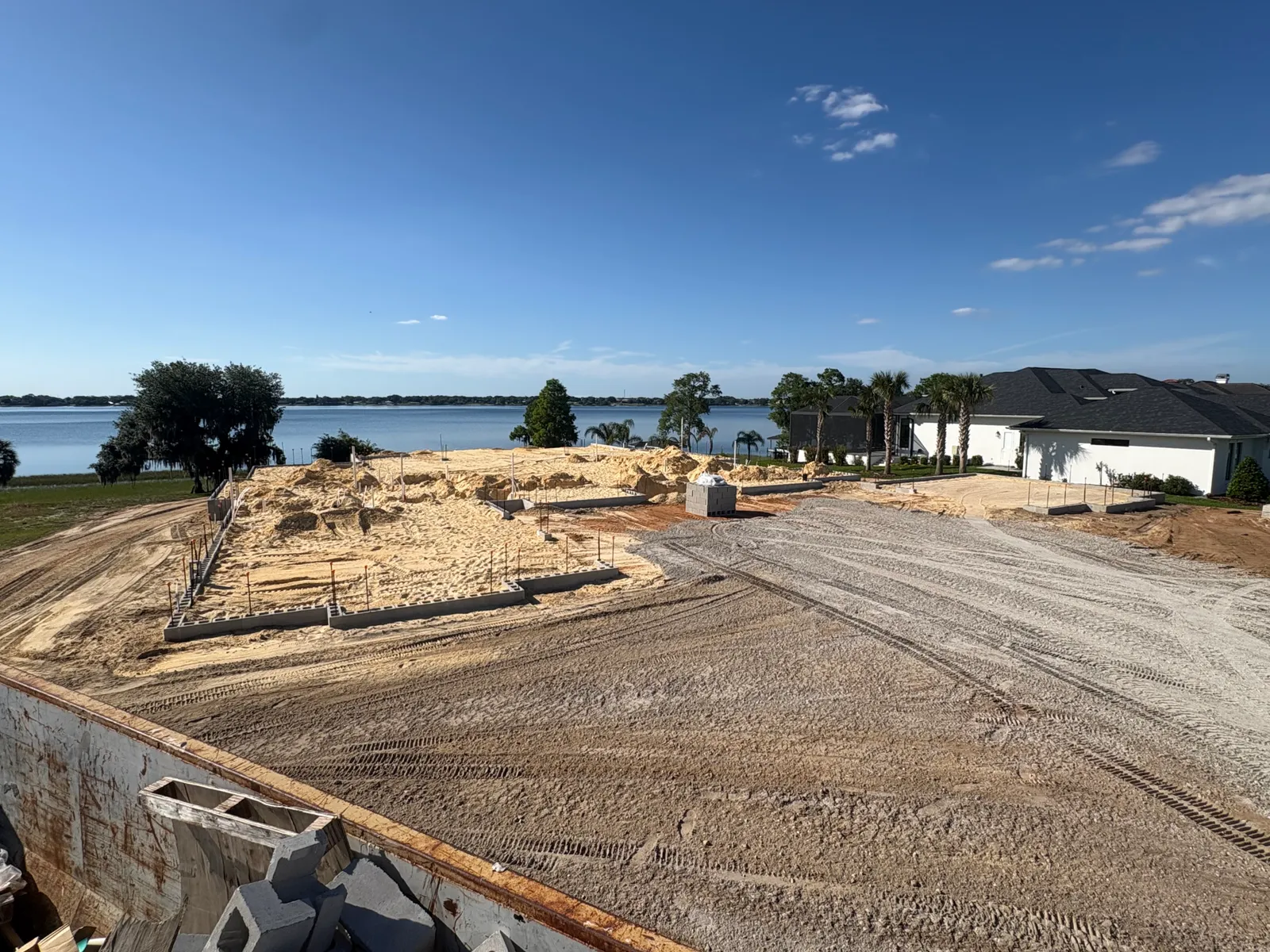
A lakefront lot is usually the reason somebody bought the house. The view, the dock, the breeze off the water in the evening. When the septic system under that lot wears out, the lake gets a vote in what happens next. Surface water brings setback rules with it, and those rules can leave a lot less room for a drain field than the yard seems to have from the porch.
Setbacks come before the shovel
Florida requires distance between a drain field and surface water. The rules apply everywhere in the state, but on Chain of Lakes properties they tend to drive the whole layout. A new field cannot simply go where the old one sat, or where the lawn is widest, or wherever digging would be easiest. It goes where the rules allow.
That sounds like paperwork, and part of it is. The real effect shows up on the ground. A deep lot with the house set close to the road may have plenty of legal room. A narrow lot with the house pushed toward the water for the view can have very little left. Wells, property lines and the house itself each take a share too.
Neighbors are a poor guide here. The lot two doors down may have its field in a spot yours cannot use, because that house sits differently, the lot runs a different shape, or the system went in long before yours needs replacing. Every lakefront lot gets its own answer, worked out on its own ground.
Those distances get measured on your lot, and the site evaluation puts them on paper before a trench is opened.
Why lakefront replacement takes more planning
An inland replacement is often simple. Find the old field, confirm the soil, set the new one in a legal spot nearby. On the water, each of those steps carries more weight.
The old field may sit somewhere a new one would not be placed today. Once it is replaced, the new system has to meet current requirements, and that can push the field to a different corner of the yard, up by the driveway or tucked along the side of the house.
The ground also changes across a lakefront lot. The part near the shore is usually lower and wetter. The part up by the street may be higher and drier. Fill may have been brought in at some point for a lawn or a patio. All of that matters when the goal is dry sand under the lines.
So the thinking happens up front. More planning at the start keeps surprises out of the middle of the job, when a machine is already sitting in the yard and everyone wants the bathroom back.
The site evaluation and the soil test
This is the step that settles things early. A lakefront replacement goes through the Florida Department of Health in Polk County, and the county’s process starts with a site evaluation and a soil test.
The evaluation looks at the lot as it really is: where the water sits, where the house and property lines fall, and where a field can legally go. The soil test tells what is under the grass. Sand that drains well is one answer. A layer that holds water is another. The depth where the ground stays wet through the rainy season is the number the rest of the design hangs on.
Jacob deals with the county for you: the filings, the inspection dates, and standing in the yard with the inspector. The owner does not have to learn the county process or stand in the yard translating. What the owner gets is a clear answer about where the field can go and how it has to be built, before anyone commits to a plan.
Getting the lines up out of the water
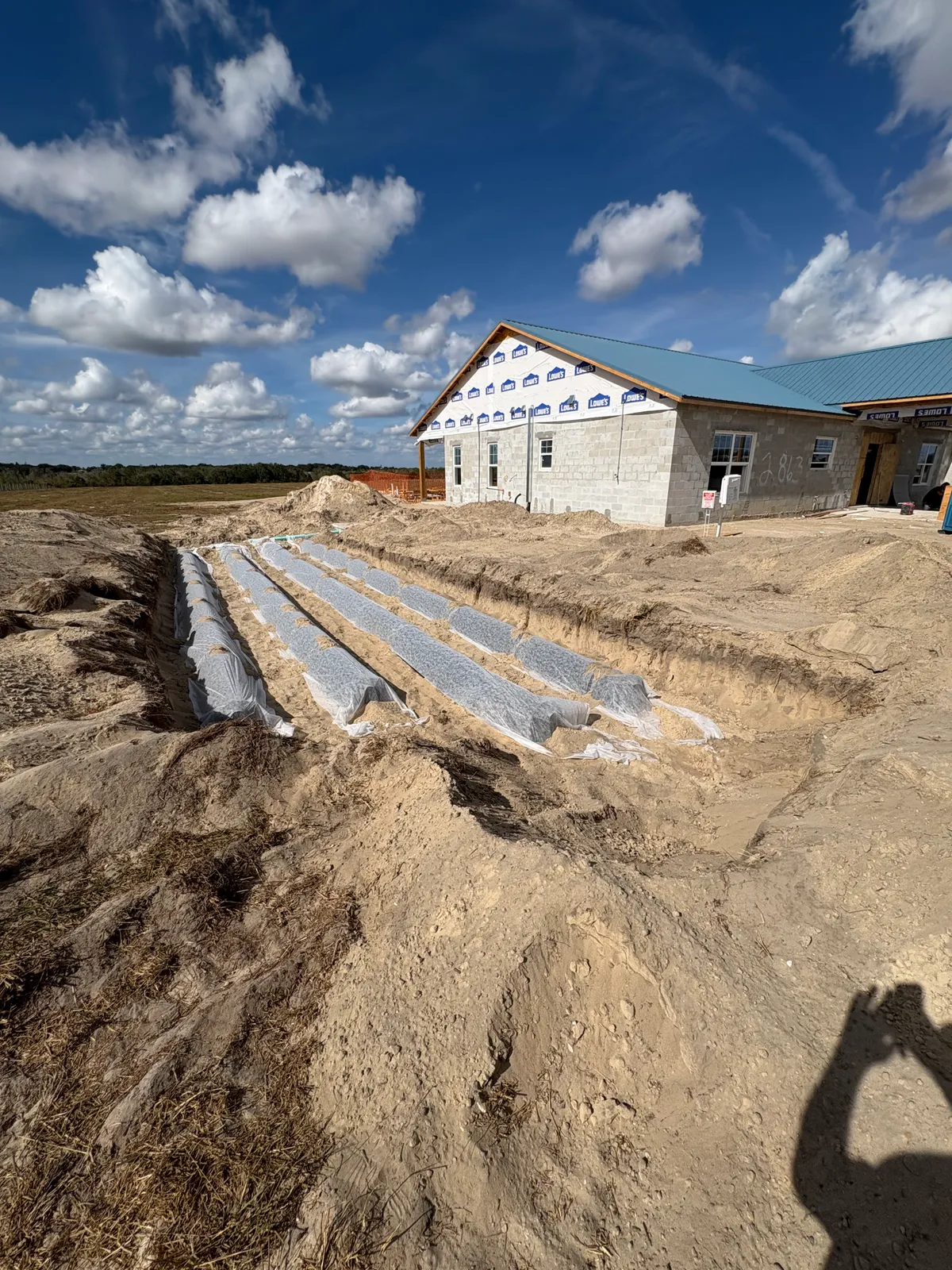
Near the lake, the trenches have to sit a required distance above the wettest-season water, and in lake-side sand that water can come up close to the surface.
So height is the real design question. If the natural ground is high enough, the field goes in the ordinary way. If it is not, the field has to come up to meet the requirement. Sometimes that means fill brought in and graded under the field area. Sometimes it means a mound, a raised field built above the surrounding yard so the lines have enough dry sand beneath them.
Owners are sometimes surprised by that answer. A raised field changes how part of the yard looks and how that part can be used. It is also what separates a field that works every summer from one that sits waterlogged each rainy season. A new septic tank installation on the water gets built around that elevation number.
Before the pool, the addition or the new garage
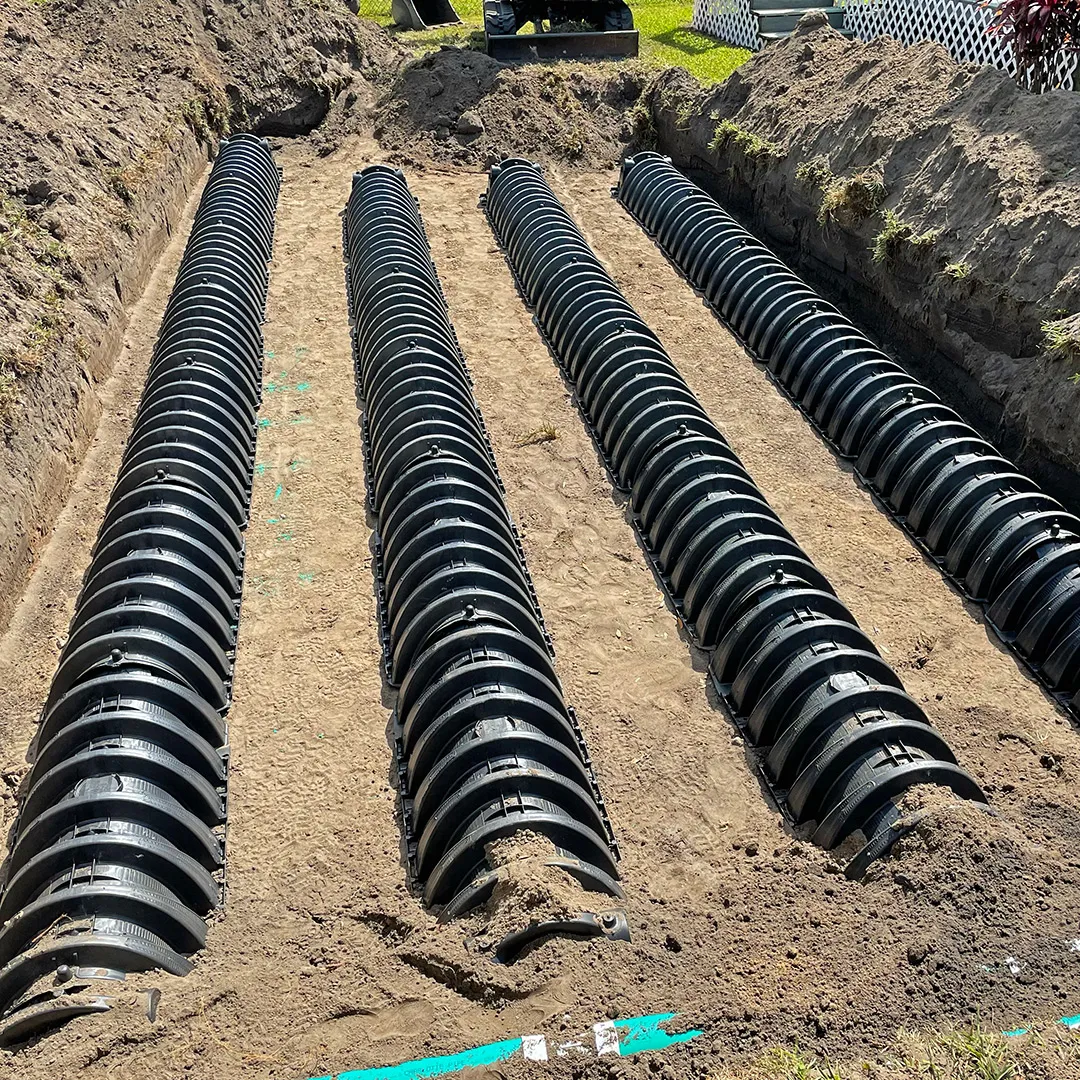
The field’s legal spot and the owner’s plans for the yard often want the same ground. An addition, a pool, a screened room or a garage can each take the one piece of the lot where a replacement field could have gone.
If the house is on septic and anything big is on the wish list, talk about the field first. Knowing where the system sits today, and where a future field could fit, keeps a nice project from boxing in the one thing the house cannot do without.
The dirt-work side comes in here as well. An addition or garage usually sits on a pad of hauled-in fill, and shaping that pad has to leave the field alone. Jacob does both kinds of work, so the pad and the septic system get planned together instead of fighting each other later.
If an old field is showing trouble but has not failed, ask about drain field restoration before assuming it has to be replaced. On a tight lakefront lot, keeping a working field in its current spot can spare everyone a hard layout problem.
Lakefront septic questions
Can the new drain field go where the old one was?
Sometimes it can. On a Chain of Lakes lot the old field may sit somewhere current setback rules would not allow, and then the new field has to move. The site evaluation answers that early, before any plan gets drawn around the old spot. Until the lot is measured, nobody can promise the same location.
What happens to the old tank and field when the new system moves?
The old tank gets pumped out first so nothing is left in it. After that it is removed or filled and left in place, depending on what the job and the county allow, and the old lines are cut off so nothing drains to them again. Jacob plans that step with the new layout, so the old system is handled in the same job and not left for later.
Does every lakefront house need a mound system?
No. Plenty of lake lots have enough natural elevation for a conventional field. A mound comes into it when the seasonal high water table sits too close to the surface for the lines to meet the required depth. The soil test and site evaluation show which case your lot is, so nobody has to guess.
Planning around the lake?
Jacob looks at the lot, works out where the field is allowed, and hands you the plan with a firm written price attached.