
Bartow · New Systems
Sand or clay: the soil reading that designs a Bartow septic system
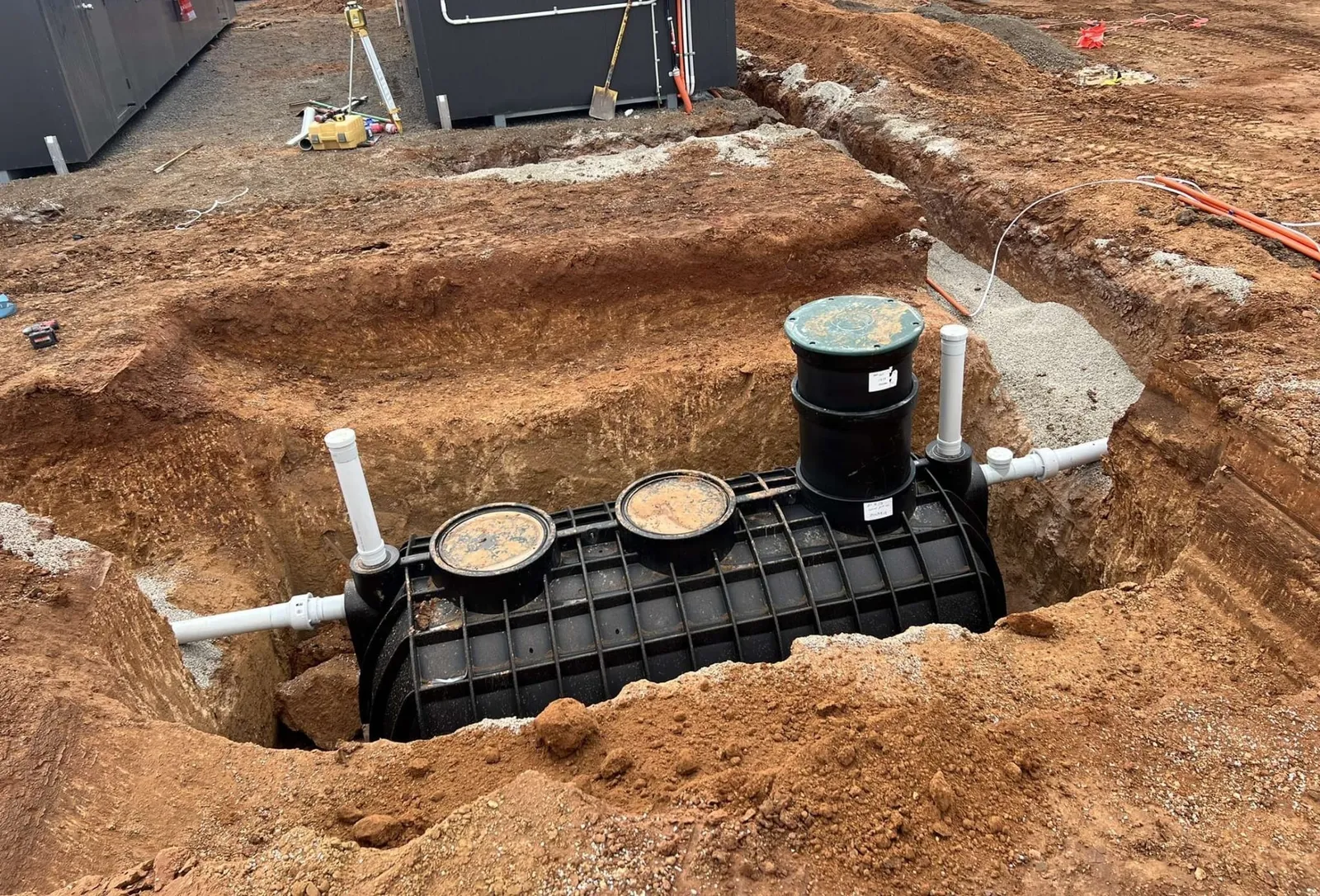
Homeowners planning a new system usually want to talk about the tank. Which material, what size, how long it lasts. Fair questions, and none of them decide the job. What decides the job around Bartow is a hole in the ground somewhere on your parcel and what comes out of it, because the dirt you own writes the design and everybody else, including the county, is just reading along.
Why this town is a soil question first
Most places you can make a fair guess about what is under a lot from what is under the lot beside it. Not here. The country south of the county seat spent generations as phosphate ground, and that history left the subsurface stirred rather than layered. Heavy material sits in seams and pockets threaded through the clean native sand, and the transition can happen inside a single property line.
That matters because sand and clay do opposite jobs with the same water. Sand is porous, so effluent moves down and out and the soil does its treating along the way. Clay resists, holds, and hands the water back. Two lots on the same road, both flat, both grassed, both looking exactly alike from a truck window, can want systems that differ substantially in size and shape. Anybody quoting a Bartow system off a photograph and an address is guessing with your money.
What the evaluation actually measures
The site evaluation opens the ground and reads two things. First, how quickly the soil accepts water, which is what people mean when they say a lot percs. Second, how high water rises in that soil during the wettest part of a normal year, which is a separate number entirely and often the one that surprises people.
Those two readings do all the work. Slow acceptance means the field needs more surface area to handle the same daily flow from the house, so trenches get longer, or more numerous, or the layout changes shape. A high seasonal water line means the bottom of the field has to sit above it with room to spare, and on some parcels that means bringing in clean fill and building the field up rather than cutting it in. Neither of those is a contractor padding a job. They are arithmetic the dirt hands you, and the permit will not clear without them.
The pocket that fooled the original installer
Here is the version of this we run into on older properties. Somebody put a field in decades ago on ground that looked like every other yard on the road, and part of it happened to land on a heavy seam. It struggled quietly from the first year. Not failed, just never quite right, backing up in wet stretches and behaving in dry ones, and every owner since has assumed that is simply how septic works.
It is not, and knowing that changes what you should spend money on. Where clay is the reason, no amount of relieving the trenches or resting the field changes the geology underneath. The answer is field area on ground that will genuinely take water, which sometimes means a new location on the parcel and sometimes means a bigger field than the original. That is worth understanding before you sink money into treating a symptom. If your existing system fits this description, the honest comparison is between restoration and replacement, and it should be made with the lids open.
Where the field is allowed to go
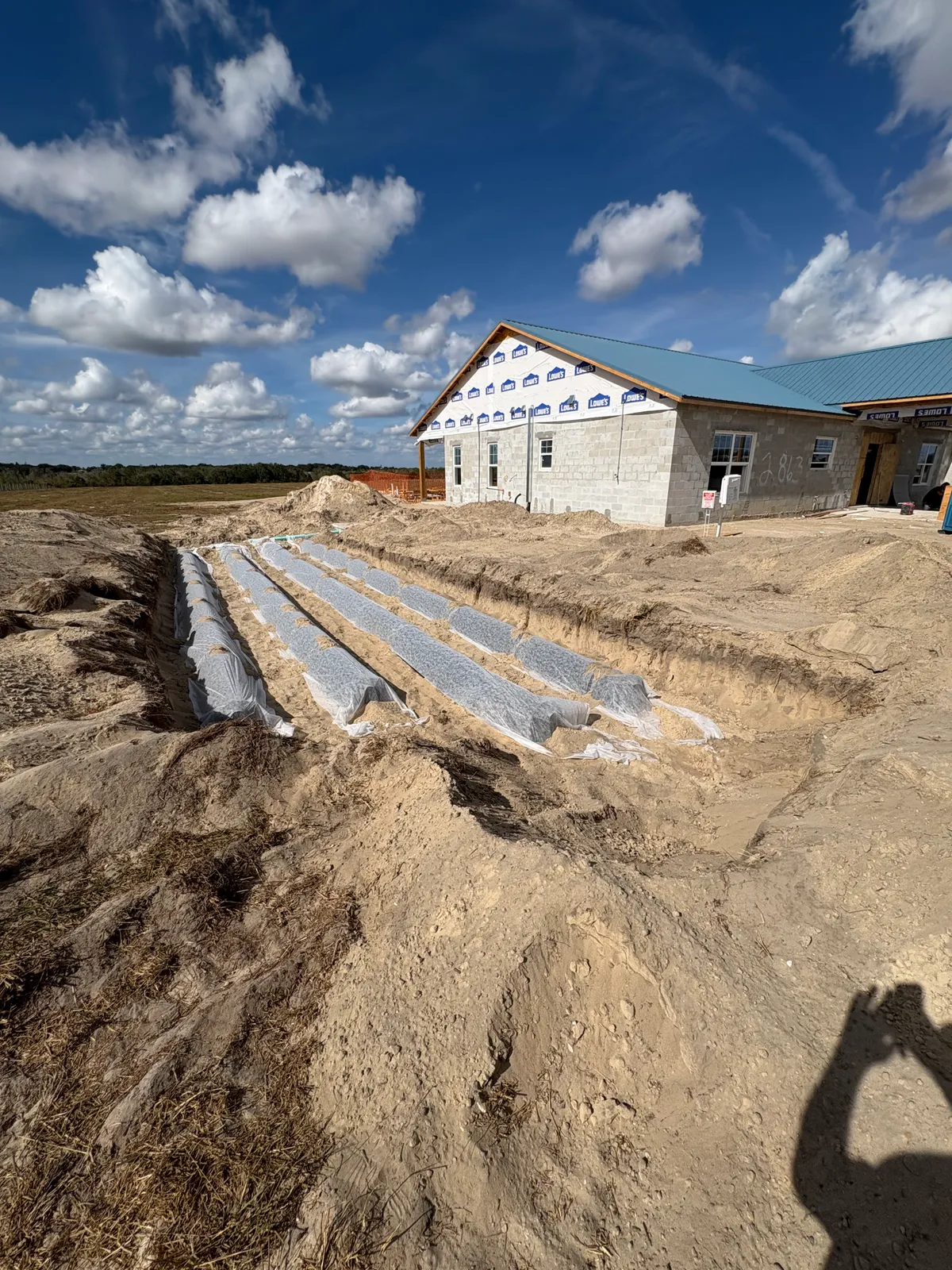
Soil sets the size. Setbacks set the location, and the two arguments happen at the same time. A field keeps its distance from the well, the property lines and surface water, and it needs enough clear ground for the trenches the permit calls for plus a reserve area held back for a future replacement. That reserve gets forgotten constantly, right up until the year somebody needs it and finds a shop building sitting on it.
Out on the acreage off Highway 60 or the homesteads up 98 toward Highland City, there is generally room for all of that to coexist. Closer in, on the older platted lots, the puzzle tightens, and the solution can be a different field configuration in a smaller footprint. Either way, tell us early where the pole barn, the second driveway and the fence line are going. Rearranging a plan on paper is free. Rearranging it after the permit is issued is not.
Elevation, and why the river end of town is different
On the Peace River floodplain side, elevation drives everything. A field cut in too low spends the summer sitting in water that has nowhere to go, which makes a perfectly well-built system behave like a broken one for months every year. The fix is not clever, it is dirt: the design comes back raised, with clean fill under the trenches to put them a safe distance above the seasonal high water.
That is a real cost item and a real schedule item, so it should show up in week one rather than as a surprise later. It also ties into the rest of the site. The house pad, the drive and the field all need to agree with each other on elevation, and shooting the whole area before anything is designed is what keeps them agreeing. A pad cut a few inches low gets remembered every wet season, and so does a field.
Getting the sequence right
The digging is the short part. The county side is what sets your calendar, since the evaluation, the application review and the inspection before backfill all happen on the health department’s schedule rather than yours. Start while the house plan is still being drawn and the septic will never be the thing holding up your build.
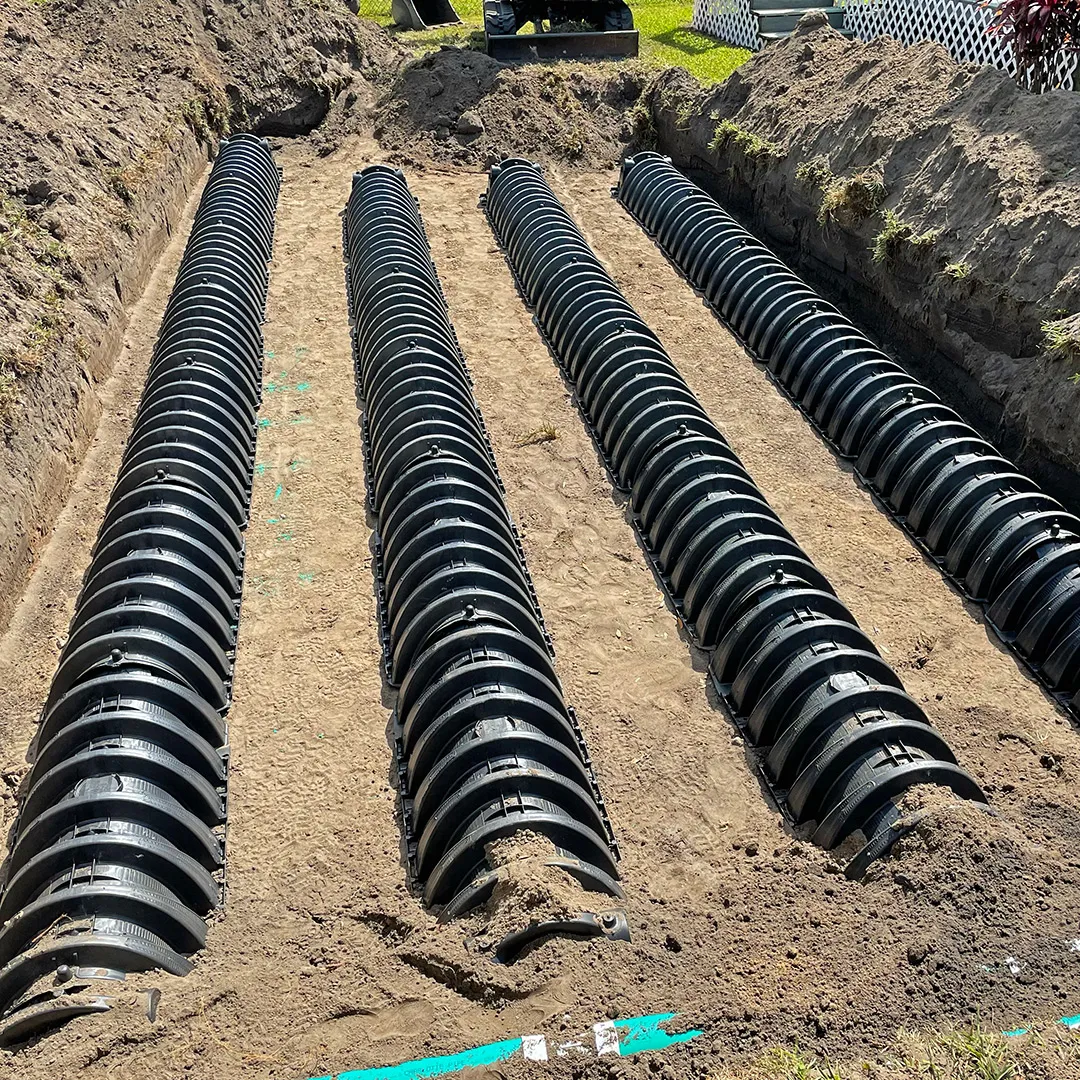
What we can promise is that the reading of your ground is honest, the number that follows is written down and does not grow afterward, and the man who walked the parcel is the man running the machine. If you are still shopping parcels, send the number before you sign; a look at where it sits and what that ground is likely to demand is worth having early. The full picture of a Bartow installation is on its own page, and once the system is in, a later inspection starts from a set of risers we put where a person can reach them.
Soil questions from Bartow parcels
Can you tell what my soil is like before the evaluation?
We can form an opinion from walking it, from what the neighboring parcels have needed and from what a probe brings up, and that opinion is usually close. It is not the reading the permit accepts, though. Around the old mining country the ground changes inside a single property, so the design has to come from a real evaluation on your own dirt.
What happens if the test comes back poor?
The design gets bigger or it gets raised. Slow soil needs more field area to move the same daily flow, and a high seasonal water line means building the trenches up on clean fill instead of cutting them in. Neither result kills a project. Both change the price and the schedule, which is exactly why the reading happens before anybody commits.
Does the reserve area really have to stay empty?
Yes, and you will be glad of it eventually. Every field has a working life, and the reserve is the ground your replacement goes on when this one is done. Put a shop or a slab over it and the future job gets harder and more expensive. Mark it on a sketch and plan the outbuildings somewhere else.
Planning a new system on Bartow ground?
Jacob walks the parcel, reads the dirt, and follows it with a firm written price rather than a hopeful number.