
Septic tank inspection in Plant City
Buying a home or acreage on septic around Plant City? The system in the yard can cost more to replace than any other thing you cannot see, and the seller’s disclosure usually says nothing. A real inspection tells you what you are actually buying before you sign for it.
What a real Plant City inspection covers
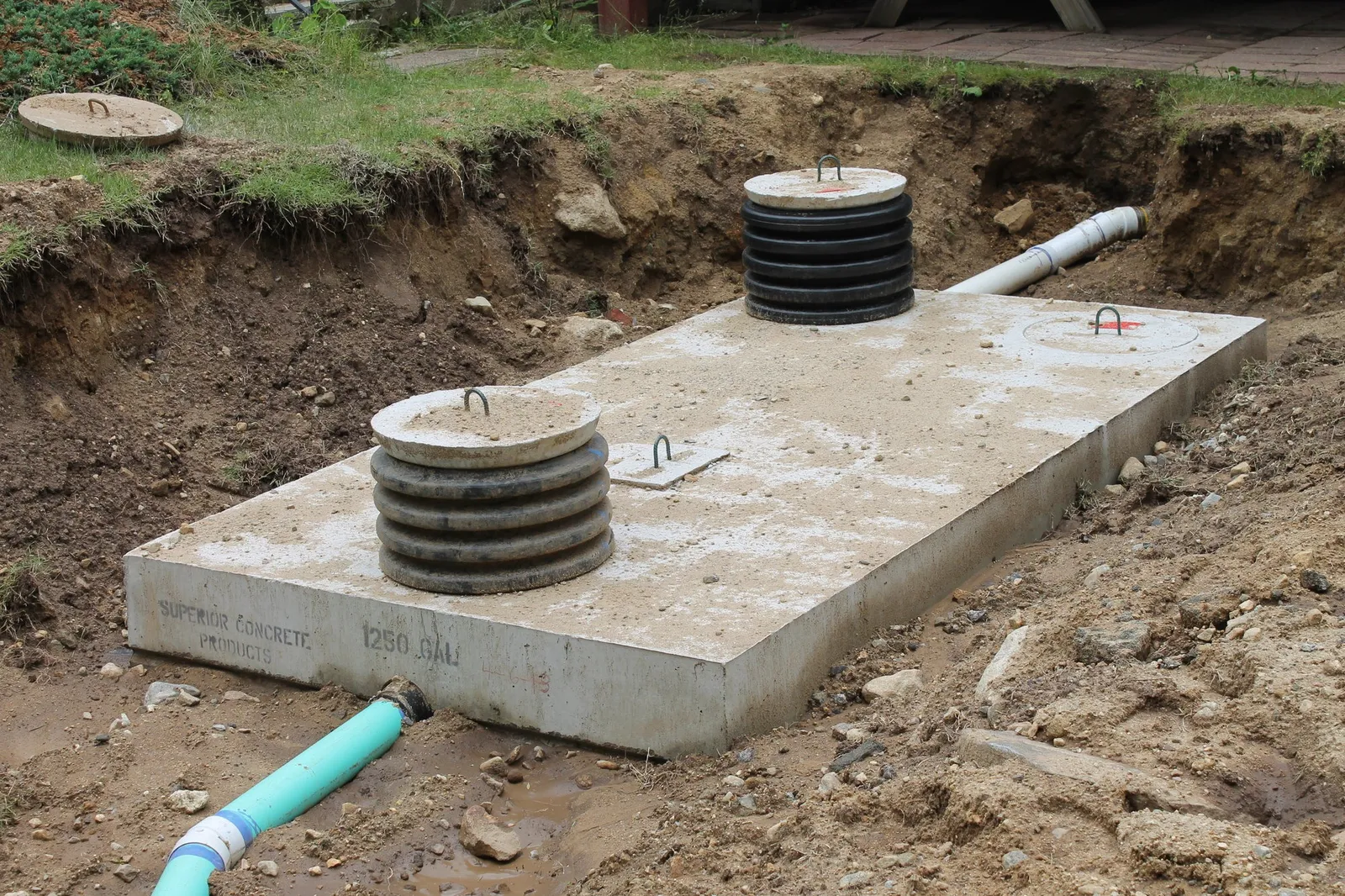
A drive-by septic check, where someone flushes a toilet and watches the yard, is not an inspection. A real one opens the tank. Jacob locates the system, exposes the lids, measures sludge and scum layers, checks the baffles and tees, reads the operating level, and then evaluates the drain field: probing for saturation, checking the distribution box split, and looking for the surface signs of a field on its way out. On acreage that field read carries extra weight, because a field on low ground can look fine in a dry January and drown every August. You get photographs of everything he found and a written summary in plain English, not a checklist of vague boxes.
For a rural-home purchase the goal is leverage and clarity. A tank that needs pumping is a small negotiation item. A drain field at end of life on low acreage is a much larger one, and on a raised or mound system there are pumps and floats that can be wired wrong. Knowing which is which before closing is the entire value of the inspection, and it is why agents around Plant City send buyers to someone who installs and repairs these systems for a living rather than a generalist with a clipboard. When the system is healthy, the report says so plainly, and that is worth having in the file too.
Existing owners around Plant City use inspections differently: as a baseline before a remodel that adds a bathroom, before converting a barn or adding an in-law suite, as a checkup on a system of unknown age, or to settle the is-it-failing question once instead of worrying through every wet season. Pair it with a pump-out and the tank gets emptied and examined in one visit, one trip charge, which is worth extra on a long acreage drive. Either way you end up knowing what is under your ground, which around here is worth more than most of the finished photos can show.
One more thing rural buyers should know: the inspection maps the system. Lids, tank, distribution box and field lines get located and noted, which means the day you own the place you already know where not to plant the oak, where not to park the trailer or run the tractor, and where the access points are for every future service visit. Most owners of older Plant City homesteads never get that map, and it costs them real money over the years, usually right when they can least afford the surprise.
Buying acreage on septic?
Get the system inspected before the option period ends. Jacob works around closing timelines and gets reports back fast, usually within a day of the visit.
(863) 514-2176 Send a MessageHow a Plant City inspection goes
Locate and open
Jacob finds the tank, exposes the lids, and maps where the system actually sits on the lot, which often surprises owners of older homesteads with no records.
Measure and verify
Sludge depth, scum layer, operating level, baffles, distribution box and field condition, all checked physically and photographed, with extra attention to how a low-lying field handles water.
Report in plain English
What is healthy, what needs attention now, what to budget for later, and what it all costs. No scare tactics, no padding.
Homestead systems, local knowledge
Inspecting septic around Plant City means knowing what was built when. The old homes near downtown and the original farmsteads often run undersized single-compartment tanks going back generations. The subdivisions that filled in through the 80s and 90s brought two-compartment tanks but shallow fields that flood in wet years. Newer construction on the acreage out toward Knights and Cork is often mounds with pumps, which add a mechanical failure point worth checking. The I-4 corridor growth keeps turning farmland into homes, and each generation of system fails a little differently.
Jacob has dug up, repaired or replaced every one of those generations of system. When he inspects one, he is comparing it against hundreds of its siblings he has seen from the inside. That context is the difference between a report that says functional at time of inspection and one that tells you the field is two wet seasons from the end. If you want the second kind, set up the visit, or read how a full Plant City job goes.
The soil out here shapes the read too. Plant City sits on sandy ground that drains fast on the high strawberry-farm acreage and slow in the low corners near the creeks. A tank set in that sand can settle over the decades and tilt just enough to hold sludge in the wrong end, and a field cut too shallow on low ground sits right at the seasonal water table. Jacob reads all of that on site: how the lot sits, where the wet-season line runs, and how much room the field actually has to work. A report that ignores the ground it is written on is not worth the paper. Around east Hillsborough, where one property line can put you on high dry sand and the next on soggy bottomland, that local read is the whole point of paying someone who works this county every week.
We’ve used Florida Site and Septic several times for our septic systems needs. They are always professional and fair. We would highly recommend them.
Bruce Britt · Repeat customer
Serving all of Plant City
We inspect systems across the city proper, downtown, Springhead, Knights, Cork, Dover and the rural acreage between, all part of Hillsborough County and the wider service area. If your address says Plant City, or sits right on the edge of it, ask anyway; the answer is almost always yes.
Plant City inspection questions, answered straight
What rural-home buyers and owners ask before booking. Anything specific to your deal, send the details and Jacob will answer directly.
How much does a septic inspection cost in Plant City?
Standalone inspections are a straightforward flat charge, and pairing one with a pump-out is the best value because the tank has to be opened either way and an empty tank shows its walls, baffles and inflow honestly. You get exact pricing when you book, and it does not change on site.
Is a septic inspection more important on a Plant City acreage home?
Yes, and here is why. Fields on low acreage live closest to the water table, so they fail sooner and hide it better than higher, drier ones. A field that looks fine in the dry season can drown all summer. On a rural purchase, an inspection that actually reads the field is the difference between buying a working system and buying a large surprise you did not price in.
How long does an inspection take and how fast is the report?
On site, plan for one to two hours depending on how deep the lids are buried in the sand and how far back the tank sits on the property. The written report with photos is usually in your inbox within a day, and Jacob will walk through it by phone if you want the plain-language version of anything.
Can you inspect a system if nobody knows where the tank is?
Yes. Between county records, probing and reading the plumbing exit from the house, Jacob finds tanks every week that owners could not locate. On older Plant City homesteads the worst case involves some careful digging, which gets agreed with you first.
What if the inspection finds a problem during my purchase?
Then you found it at the right time. The report gives you the repair cost in real numbers, which becomes negotiating material with the seller. Several Plant City buyers have had the entire repair or a price reduction covered because the report was specific enough to stand on.
Do you inspect mound and pump systems too?
Constantly. Newer Plant City builds on the acreage are often mounds with a pump, floats and an alarm, and those mechanical parts can be wired wrong from day one or fail with age. Verifying that a young pump system is actually working is fast, cheap and worth doing before you close.
Do you charge extra to come out to Plant City?
No. Plant City sits inside the normal working radius from our Lakeland base, about twenty minutes up the road, and it gets the same firm written pricing as an inspection around the corner from the shop. The drive is ours to worry about.
Does Plant City’s sandy soil change what an inspection finds?
It does. The sand out here drains fast on the high strawberry-farm acreage and slow in the low corners near the creeks, so two homes a mile apart can carry very different systems. On high dry ground a conventional field can run for decades. On low bottomland the same field sits right at the wet-season water table and shows its age much sooner. Jacob reads how your specific lot sits before he tells you what the system has left, because the ground is half the answer.
Should I inspect an older homestead system before I do anything to it?
Yes. The original farmhouses and homesteads around east Hillsborough often run undersized single-compartment tanks that predate any record anyone can find. Before you remodel, add a bathroom, or convert a barn, an inspection tells you what is actually in the ground and whether it can carry the new load. It is far cheaper to know that going in than to finish the addition and watch the old tank give up under it.